 Untourist Untourist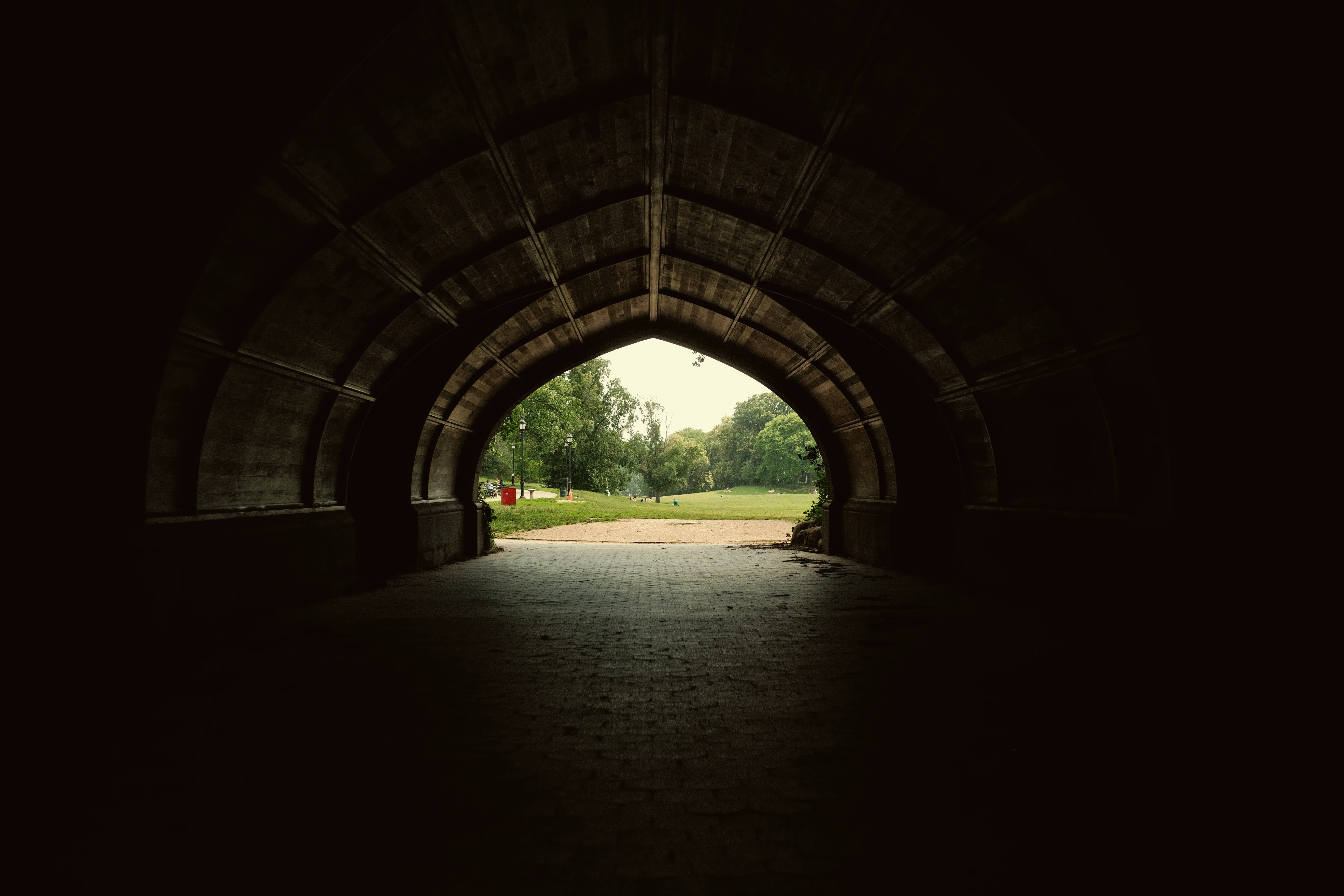
A Prospect Park history walk does not need to be long. In fact, the design is often easier to feel when you keep the route tight and pay attention to transitions: city to park, enclosure to openness, movement to pause.
That is the idea behind the Untourist Prospect Park walking tour. The route is short, but it follows a sequence that helps the park’s design story come forward.
Start near Grand Army Plaza and the northern entrance. A good history walk begins before you are fully inside the park, because Prospect Park is designed around arrival. The city does not disappear all at once. It changes in stages.
That transition matters. Frederick Law Olmsted and Calvert Vaux were not only arranging trees and paths. They were shaping how a person would move from urban pressure into a more pastoral landscape.
NYC Parks’ Prospect Park page and the official Prospect Park Alliance place guides are useful references for checking the park’s landmarks before you walk.
The arches are easy to treat as a quick photo stop, but they do more than look good. They organize movement and mood. Passing through them gives the route a sense of compression and release.
Prospect Park Alliance’s Endale Arch guide gives the arch its own official place reference, which is why it belongs in a short history walk instead of being treated as background scenery.
On a self-guided audio walk, this is the kind of moment where context helps. You can hear the story while standing in the place, then keep moving before the explanation gets heavier than the walk.
Long Meadow is central to how Prospect Park feels. It creates a wide pastoral opening inside Brooklyn, giving the park a sense of distance and calm that is hard to achieve in a dense city.
You do not need a full park loop to understand this. Even a short walk along the meadow’s edge can show how the landscape pulls your attention outward. The route is doing part of the storytelling.
The Picnic House area adds a different layer to the walk. It is not only a building on the route. It marks a place where the park invites people to gather, rest, and slow down.
That matters for a history walk because parks are never just design objects. They are used, revisited, adapted, and remembered by the people who move through them.
For travelers, Prospect Park offers a Brooklyn experience that feels local without requiring insider knowledge. For locals, the same route can make a familiar place feel newly legible.
That is the space Untourist is built for: curated walking tours that help you notice the city without turning the day into a lecture or a checklist. The NYC walking tour app format keeps the history attached to the ground under your feet.
If you want the short version, start with Grand Army Plaza, move through the arches, follow the route toward Long Meadow, and pause near the Picnic House. The whole walk can fit into a free morning, a slow afternoon, or a gap between plans.
For route details and audio, open the Prospect Park walking tour.
Prospect Park was designed by Frederick Law Olmsted and Calvert Vaux, who also worked on Central Park. Prospect Park gave them another chance to shape a large urban park around pastoral space, movement, and carefully framed transitions.
A short self-guided history walk works well because many of the design ideas are easiest to notice while moving through the park: entrances, arches, open meadow, paths, and pauses.
No. A Prospect Park history walk can be especially useful for locals because it gives familiar places a new frame.
Download Untourist to discover curated local walks, listen to narrated stops as you go, and stay oriented when you drift.