 Untourist Untourist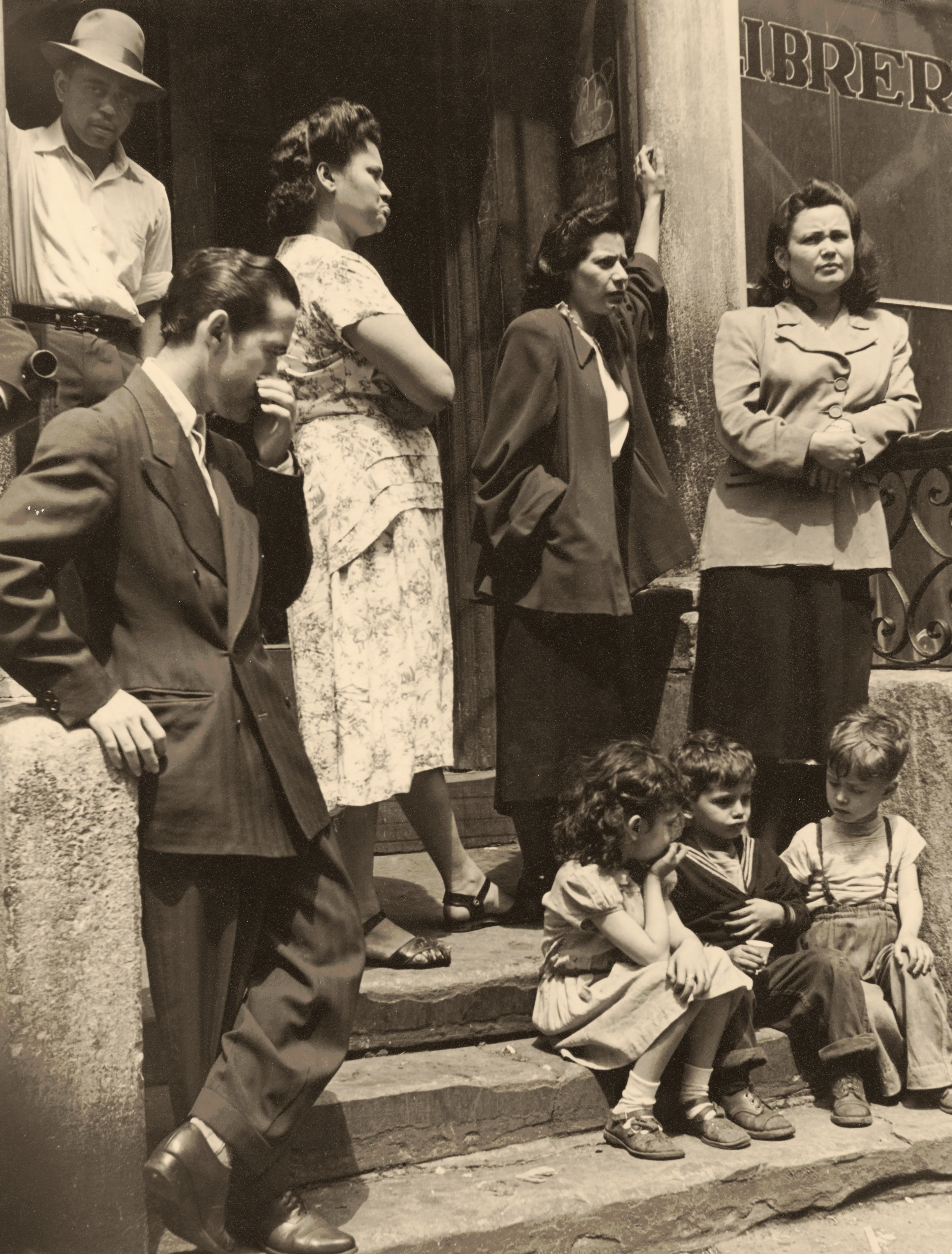
Everyone knows Ellis Island. The harbor. The inspection room. The first sight of the city. It is a powerful image, and it deserves its place in the immigrant story.
But arrival is not the whole story. It is barely the first page.
The harder question is what happened the next morning. Where did people sleep? How did they find work? Who helped them understand a language, a landlord, a factory, a school, a market, a city that could be thrilling and merciless at the same time?
That is why the Lower East Side matters. It was not just a place immigrants passed through. It was a dense, improvised system for becoming New Yorkers.
The Lower East Side was crowded because it had to be. Homes, shops, schools, newspapers, religious life, street markets, and factories pressed against each other in a few walkable blocks. That closeness could be brutal. It could also be useful.
Newcomers needed more than a room. They needed information: where to work, where to buy food, where to learn English, where to find a doctor, where to send a child, where to hear news from home, where to ask for help without being ashamed.
Institutions like Henry Street Settlement and the Educational Alliance belong to that story because they reveal the neighborhood as infrastructure. They were not decorative civic landmarks. They were part of how people made the city survivable.
It is easy to talk about tenements as symbols of hardship and stop there. Crowding, heat, labor, disease, and narrow rooms were real. But the tenement story is more complicated when you remember that these buildings were also homes, workshops, kitchens, arguments, plans, and first versions of a future.
The Tenement Museum is valuable because it restores names and rooms to a history that can otherwise become abstract. Immigration was not only a wave. It was a family trying to make rent. A child translating for a parent. A boarder sleeping in a room that was already too full. A shopfront becoming a bet on tomorrow.
That tension is what gives the Lower East Side its emotional weight. The neighborhood was never only about poverty. It was about pressure, adaptation, and the small ways people refused to let hardship be the final word.
Food is often the easiest part of immigrant history to love. It is visible, generous, and still present in the city. Markets, delis, bakeries, pushcarts, and restaurants let people taste continuity.
But food was not just nostalgia. It was economics, adaptation, and memory under pressure. A recipe changed because ingredients changed. A business opened because someone needed income. A market mattered because the neighborhood needed daily life to function.
Essex Market sits inside that longer story of food and survival. It reminds us that immigrant culture did not become “New York culture” in a clean, romantic way. It became part of the city because people kept making, selling, feeding, bargaining, and returning.
The common version of immigrant history often asks how newcomers became American. The Lower East Side suggests another question: how did New York become itself because they arrived?
The answer is everywhere. In food, language, labor politics, education, newspapers, public health, housing reform, religious life, comedy, retail, family businesses, and the stubborn idea that an impossible city could still be made livable.
That is the story behind Untourist’s upcoming Lower East Side audio walk. The route is not meant to be a checklist of old buildings. It is meant to follow the after-arrival story through the neighborhood: the help people needed, the pressure they lived under, the traditions they carried, and the New York they built in return.
The Lower East Side route is coming soon in Untourist. Until then, you can browse the upcoming NYC neighborhood walks, learn how our self-guided NYC audio walks work, or read another neighborhood prelude in the Greenwich Village history Field Note.
The Lower East Side shows what happened after arrival: work, housing, education, mutual aid, food businesses, religious life, newspapers, and the everyday pressure of becoming New Yorkers.
No. Ellis Island is the arrival story. The Lower East Side helps tell what came next, after people had to find rooms, jobs, language, community, and a way to survive in the city.
The Lower East Side immigrant-history route is in curation for Untourist. This Field Note is available now, and the app route will stay marked coming soon until it is ready.
Download Untourist to discover curated local walks, listen to narrated stops as you go, and stay oriented when you drift.